Category Archives: mikroselluloosa

Objects Made from Sisusavi® Can Be Dissolved and Remade into New Ones

Sisusavi® is an eco-friendly modeling material that makes it easy to create people, cups, and all kinds of other objects. It is also suitable for making vintage-style items. One of its unique features is that finished objects can be recycled into new creations again and again, as the material can be returned to its original state. Sisusavi is safe to use and is made from compostable, renewable materials.

Sisusavi does not create a mess, and no protective clothing is required when working with it. It can be thrown on a pottery wheel just like traditional clay. The material is gluten-free and made entirely from renewable resources. It is ideal for producing lightweight objects. Sisusavi air-dries into a durable finish, and once dry it can be sanded, carved, decorated, and painted. The material can also be colored throughout by thoroughly mixing pigment into the mass before shaping.

Sisusavi is ready to use straight out of the package, but it should be stored in an airtight container. If it becomes too dry, it can easily be restored by adding a small amount of water.

The material dries slowly at room temperature. If faster drying is needed, finished objects can be placed in a conventional oven at a moderate temperature or dried using other suitable methods. A microwave oven can also be used, but only with great care.

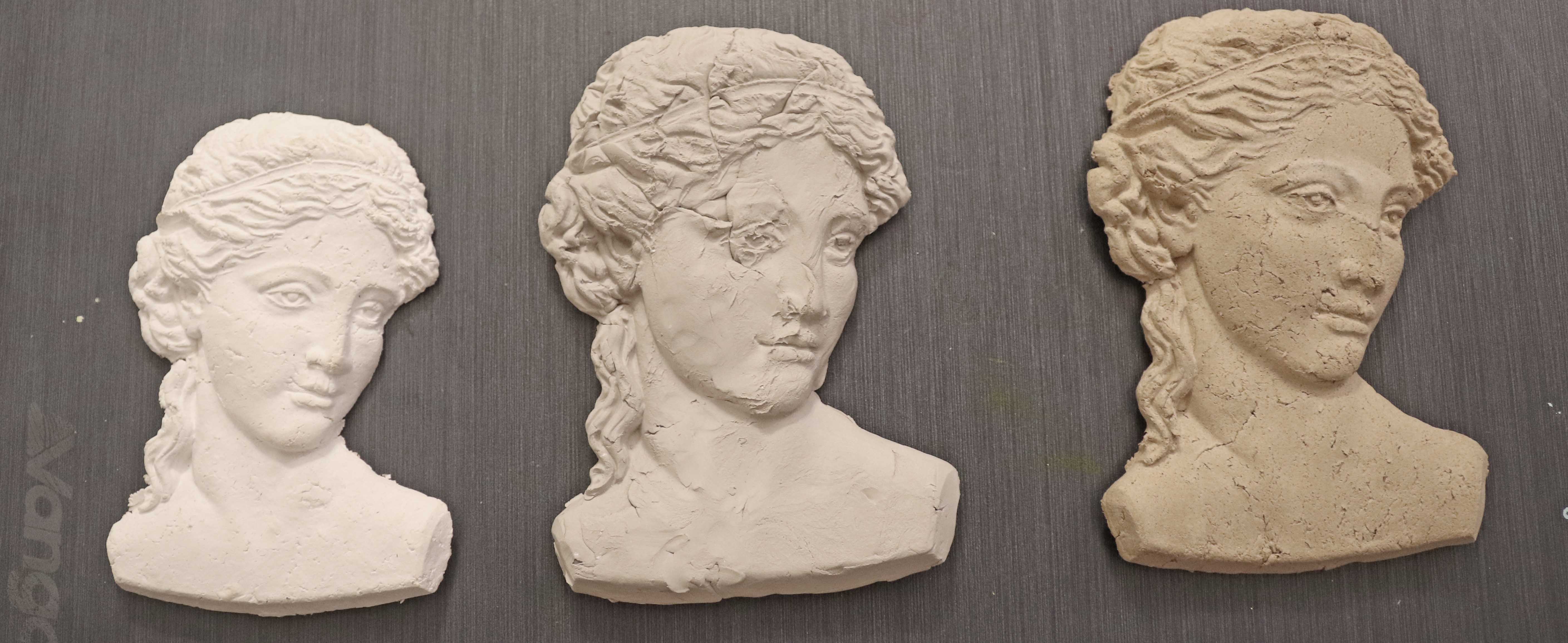
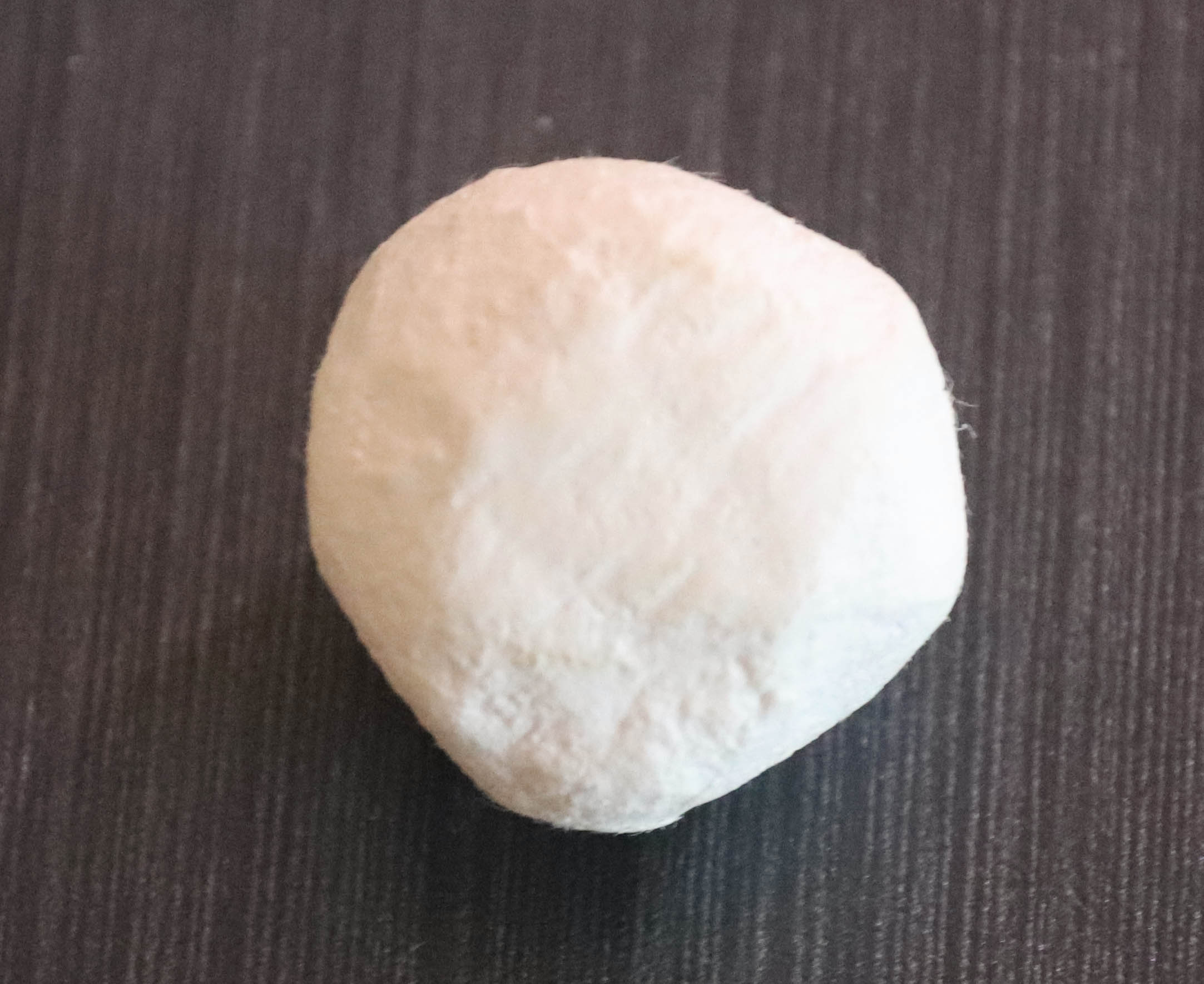
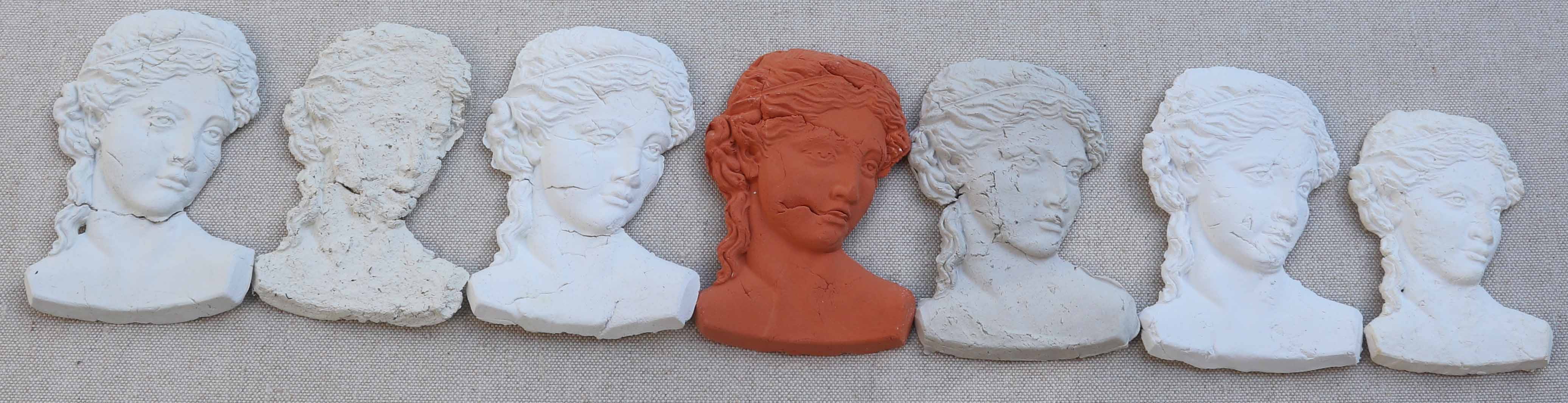
I wanted to investigate the air-drying modeling materials currently available on the market. I purchased eight different products, some intended for professional use. Using each material, I made a mold of a human face and also formed a ball to compare their properties.

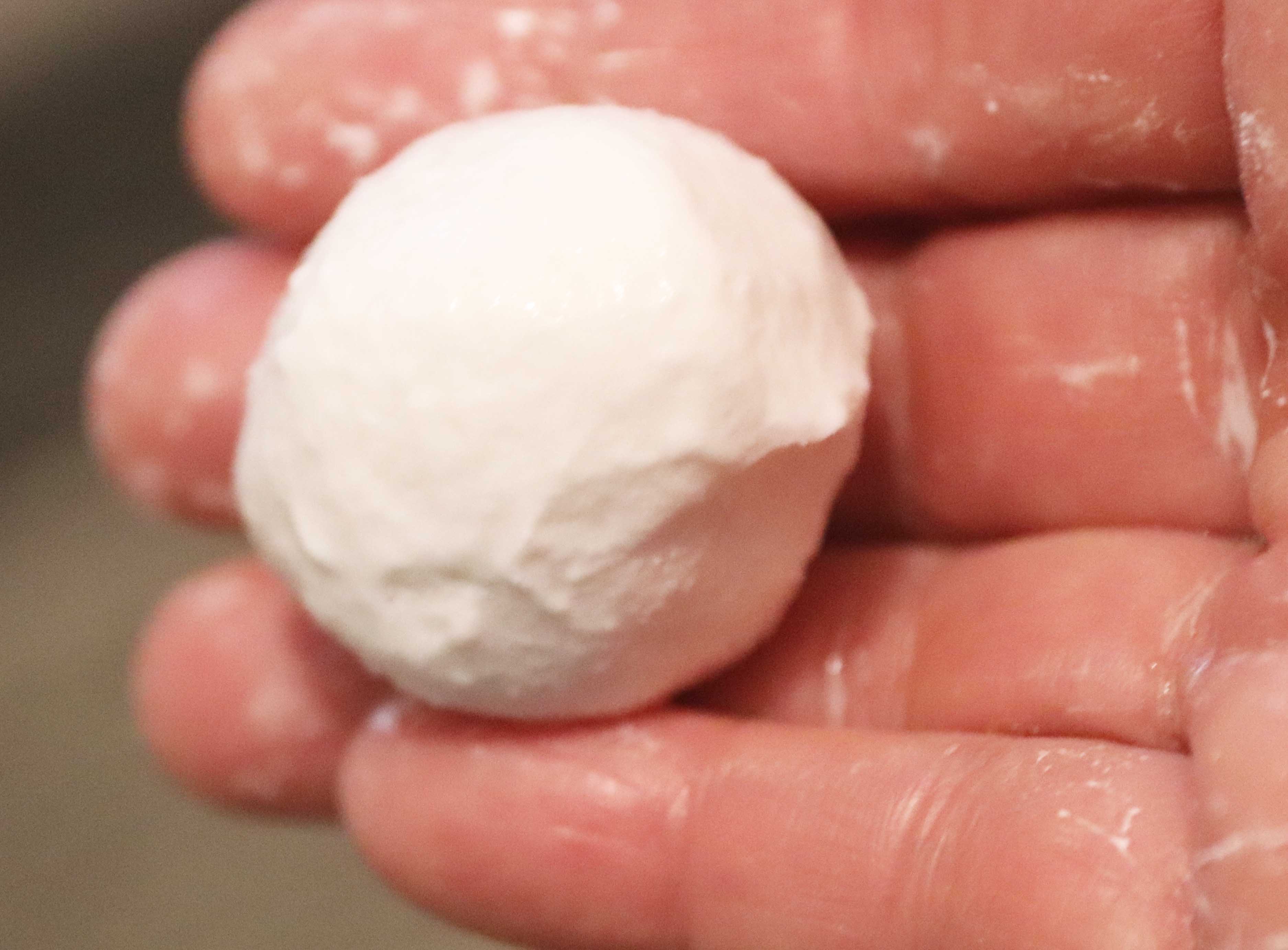
Some materials had strong odors, while many were hard and slippery to work with. Others stuck so firmly to my hands that removing them was difficult. Several products carried so many safety warnings that I decided to wear protective gloves and a face mask while handling them. I was also surprised that I could not even make a simple ball with every material. Sisusavi®, however, made this easy.

I weighed both the balls and the molded faces. I was surprised that even objects made from paper-based modeling compounds were relatively heavy. This is often because such materials contain mineral fillers or stone-like additives in addition to paper fibers. The objects made from Sisusavi® were the lightest of all.

Many modeling compounds contain polymers, synthetic adhesives, or other plastic-based ingredients, which means they must generally be disposed of as mixed waste.
I then immersed the balls in water. To my surprise, every material except Sisusavi® gradually began to dissolve.
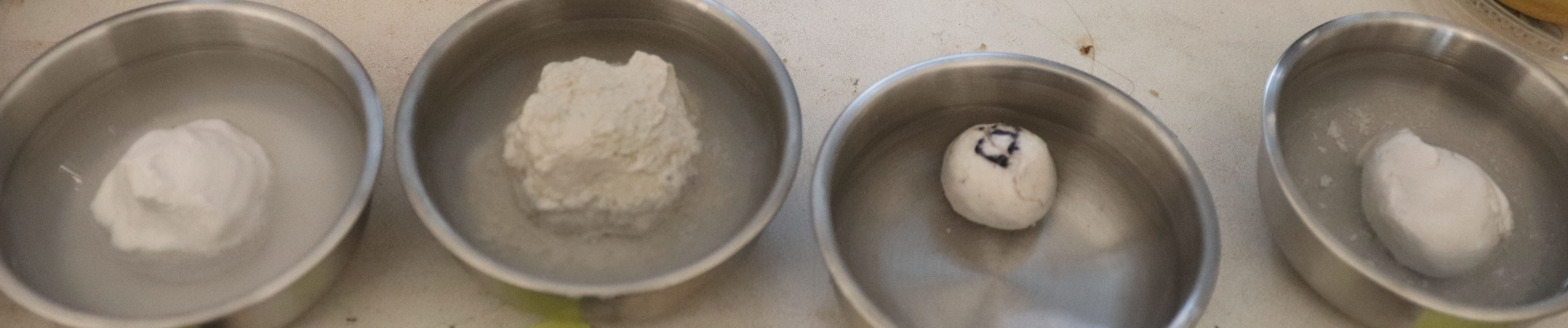
The balls made from Sisusavi® remained intact for several days without breaking down at all.
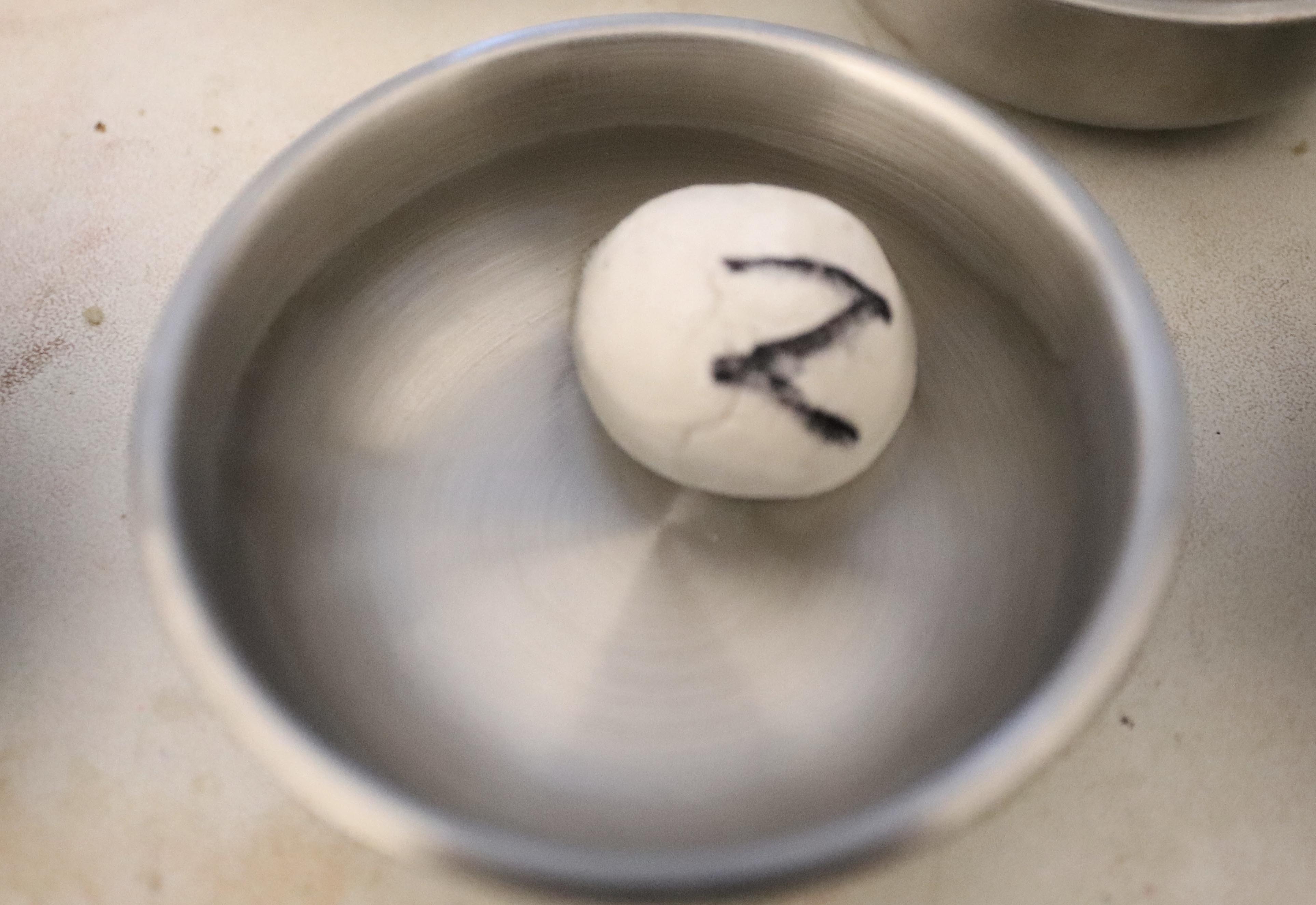
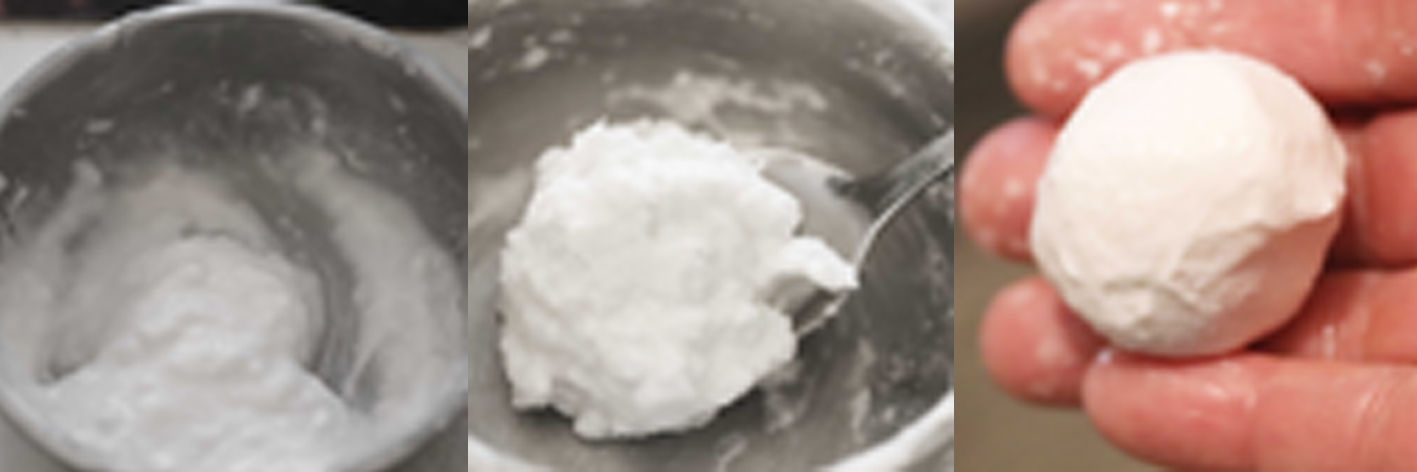
When you want to recycle a Sisusavi object, the process is carried out in water. As little water as possible should be used so that the reclaimed material does not become too wet. Sisusavi does not dissolve on its own in water, but it can be broken down mechanically by kneading or crushing it.
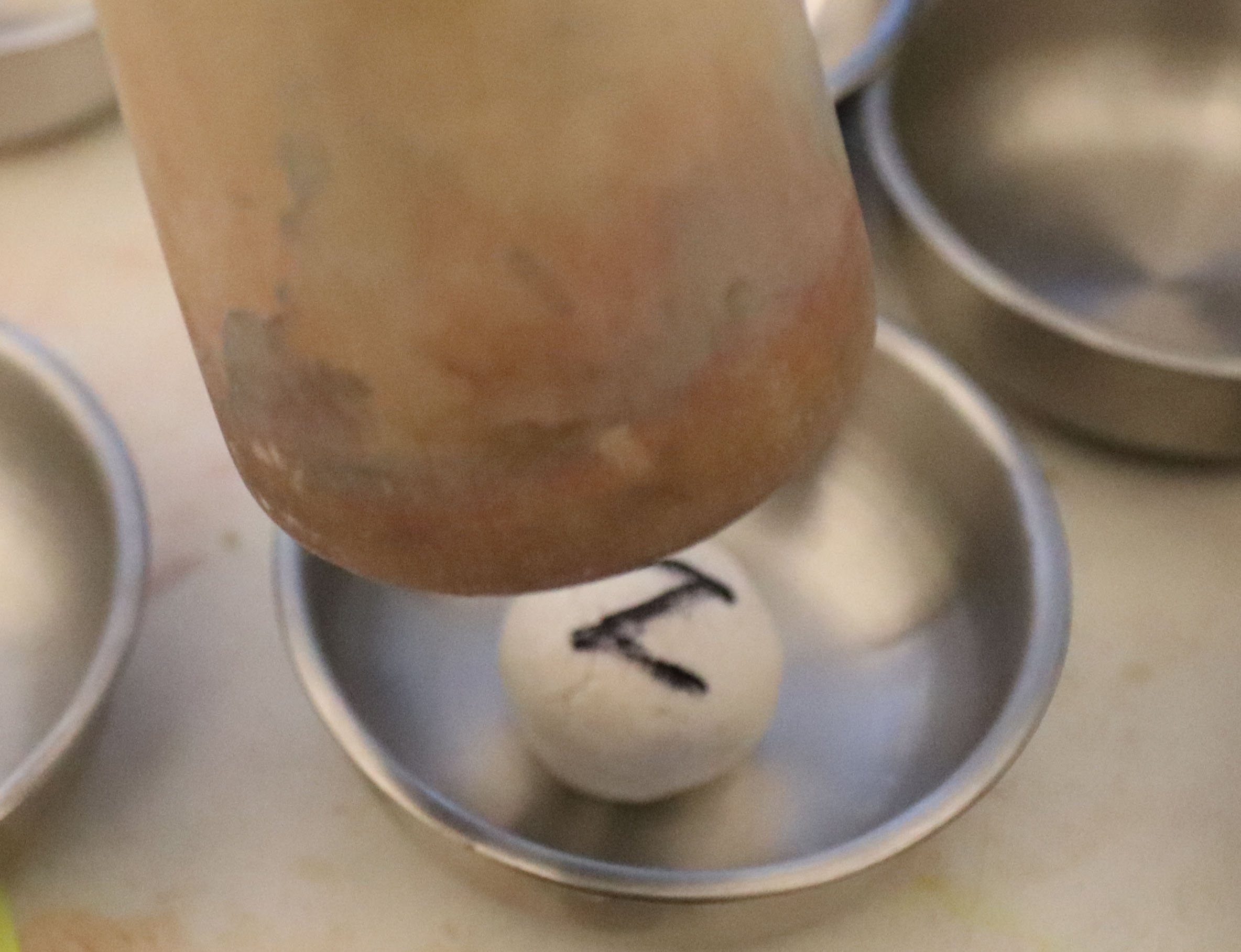
The particles should be made as small as possible. If excess water separates from the material, it should be removed. Once the consistency is suitable, the reclaimed Sisusavi can be used to create entirely new objects.
Soft Sisusavi is an ideal material for art, leisure activities, and hobbies, as well as for educational use in schools, daycare centers, and other learning environments.

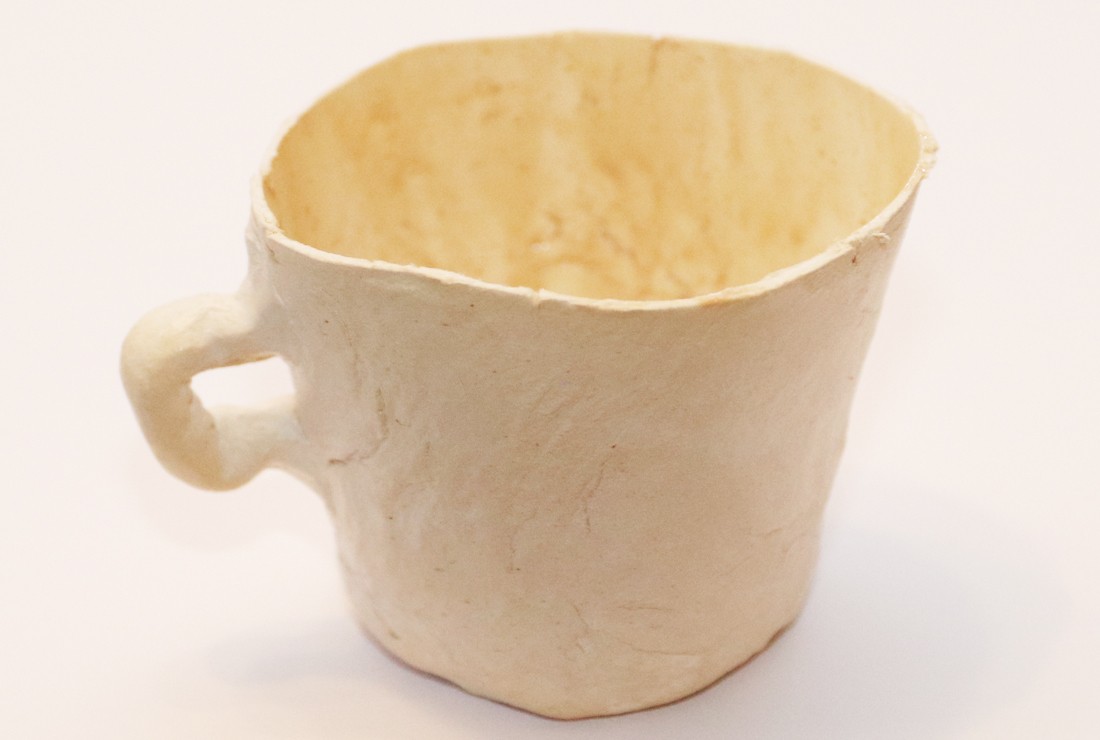
A light-weighted cup made of Sisusavi full of tea

Sisusavi is a light material

Today we listened to the European Union’s research priorities and proposals from different countries. Germany and Sweden in particular highlight an important need for the future: lightweight materials. Light materials reduce energy consumption, for example in transportation. Sisusavi® can be used to make dishes so light that a gentle breeze will carry them along.

Greetings from Helsinki handicraft fair, where we presented Sisusavi® for the first time. Many interesting contacts were made there. The fair gave ideas into the development of Greenbutton’s products.

Sisus clay is suitable for small children, as it is easy to shape and does not harm if eaten. Depending on their age, the child can modify the colorless Sisusavi® and then dry it in room air. Dry parts can be glued together with Erikeeper and painted with watercolors or whatever colors small children use.

Indoor clay is suitable for adults and especially for those who know clay. At the fair, we heard how attached they were to clay. You can make a clay pot light when you mix paper in, and the paper burns off in the oven. You can also make the interior clay lighter, if you can leave air pockets inside the material.

A cup made of Sisusavi® does not break when dropped on the floor. However, we did not drop cups on the floor at the fair. We heard from somewhere in the distance that something had broken. The sound of the chips can be heard even further away, so breaking the glass cannot be done in secret.

A cup made of Sisusavi® either with a mold or a pottery wheel does not need an oven but dries at room temperature. If you build your work from several parts, the small pieces dry faster. Wood glue Erikeeper is very suitable for wet or dry gluing to Sisusavi®. We have tried coloring a dry object with watercolors, acrylic colors, liquid markers, oil colors and watercolor colors.

The object can be varnished with wood varnish and probably also with nail varnish, as one fair guest suggested.

One visitor to the fair thought that Sisusavi® does not have a completely flat surface. Yes, you can, as you can see in the pictures. The cellulose in the inner clay is a thousand or a hundred thousand times smaller than the millimeter-sized particles. In that respect, it is easy to believe that it will be even. 

When an adult does very precise work on Sisusavi®, it’s worth practicing and finding a new route to success. Sisusavi® is a completely new material and nobody knows much about it yet, what it can do.

At the fair many picked up the dishes and were amazed at their lightness. When the cups were in the hands of many people, we thought to wash them properly. So, we washed them with Fairy and rinsed well afterwards. We put the cups to dry in the dish drying cabinet.

The cups dried quickly, and we thought of drinking tea from them. It is good to drink hot tea from these cups because the material insulates heat transfer. The cup does not feel too hot in the hand.

The cups made of Sisusavi® are really light and sturdy. The cup can carry a large load. We compared Arabia’s Arctica coffee cup with one made from Sisusavi®, and the cup made from Sisusavi® was 72% lighter. Arctica weighed 113 grams and the cup made of Sisusavi® weighed 31 grams. Lightweight materials are the materials of the future.

The trend is towards light materials. Around the world, large sums of money are invested in the research of lightweight materials.

Sisusavi® already exists, although lightness is only now being announced more.

The year of Sisusavi begins

The new year 2023 kicked off with an order of one helmet and white earrings with two balls due to the interest inspired by the brilliance of the white color. So we needed to learn how to manufacture earrings with two balls and we managed to make them in different colors, including earrings with Ukraine colors.

Sisusavi is chosen as this year’s word. The small, thin-edged cups made from it can support at least more than 500 times the weight of their own mass. The thin-walled cups handmade with a mold from it are ready at once and varnished with food-safe varnish on the inside and environmentally friendly varnish on the outside. This way you can drink water or something else from them.

From the point of view of the circular economy, Sisusavi is the optimal material as it can always be reused. It is a completely natural substance and it is possible to mix it with soil. It consists of microcellulose, which is found in all plants.

Climate change is curbed in the form of dishes made from Sisusavi, because they do not need to be put in the oven like clay dishes, which are heated to a temperature of 1230 °C. The energy saving is enormous, which is also reflected in the economy.

The Belgian visual artist Hans Op de Beeck got tired of the perpetual whiteness of limestone and as we see in Amos Rex’s Silent Parade, that the new material and color tone have been carefully chosen. But it is sustainable to use Sisusave. It can easily be painted with a brush in different colors as desired. Sisusavi can also be colored through and, for example, shaped into different objects using a pottery wheel.

You can extract the new dye from the plants and use it to color the Sisu clay so that no dye is wasted. We have made beads with earthy colors extracted from plants. Each bead of the beads is handmade and twice varnished. The beads of the wooden beads are round, but they are boringly machine-made and their colors do not reproduce as well as in Sisucellu beads. We know a lot about pigments since we did a thesis dissertation on it.

We saw Brazilian artist Ernesto Neto’s work at Amos Rex’s underground exhibition and his works were scented with spice powders. That gave us the idea to make scented Christmas balls, but we made the scent without spice powders, because we only needed the scent. We are constantly developing something new.

Sisusavi is safe, because you can eat it and we do eat it often.

The circular economy is a lifelong process. We dismantled thousands of tea bags and got the filter cloths we need for making beads. We used the string from the tea bag as strings for the Christmas balls. The string is strong and, in the summer, we used it when we supported the tomato seedlings on a stick. As a gardener’s daughter, we know plants and now we fertilize plants with tea leaves that we get from bags. There is a cardboard holder at the end of the string of the tea bag, which we did not find a purpose at first. When we made the new painting, we made trees with leaves made from tea bag cardboard.

The feeling of significance increases when you make something concrete with your hands. People want to shape and make their own unique objects. At the Helsinki craft fair on March 4-5, we will sell Sisusavi so that people can try it.

I hope this year will be better and we will be able to do new things after the war in Ukraine and covid.


Saila Seppo’s Art exhibition until May 8, 2022

People experience the environment around them all the time. When you go for a walk in the woods or the park, you will see nature wake up this spring.  There is sand from winter on the sidewalks that hisses under the shoes. Emotions are stored in memory.

Isn’t it worthwhile to focus on creativity and thinking? Greenbutton is a house of doing and thinking. How much cerebration is needed to create something completely new?

At Saila Seppo’s colorful art exhibition at the AVA Gallery, you get to know the many properties of microcellulose. Microcellulose is not a bulk material but a high-tech product. One must know its chemistry and be able to modify it appropriately so that it suits into different products.

What is interesting is the molding compound under development, which can be shaped into pots or other round ceramic objects. It can also be used on a pottery wheel. You will get an idea, how microcellulose could be used, in Saila Seppo’s art exhibition.

Even adults long for magic. In a beautiful way, you can enter the world of magic downstairs in the exhibition. There is no crystal ball, but flowers and jewelry can be found. They shine unbelievable beautiful.

When you look in the window at the AVA Gallery, you see Sisu dolls in the window and colorful carrots and mushrooms. You step in and fall in love with the post cards. The hall has colorful expressionist paintings on the walls, the oldest 10 years old and other fresh. There is in the middle a table which tells about microcellulose and it is full up of light pottery. Next to the stairs leading down is the Sisula dollhouse, which produces fairy tales in your imagination.

You walk down the stairs and you look at the paintings. Downstairs there are photographs of Sisuland and nature on the walls. There is a basket full of different colored necklaces. A mirror is also available. Sisu figurines can be found in many forms and in many places in the Gallery. Bracelets and earrings that make the outfit beautiful. There is also a video presentation downstairs. Video link

Welcohttps://youtu.be/-dV–1S1Uxgme to AVA Gallery Art Exhibition until May 8

Pohj. rautatiekatu 17 B,   open tue-fri 12-17 sat-sun 12-16

Greenbutton’s microcellulose products represent circular economy

Although nature gives some beauties of its own, our microcellulose products maximise its advantage producing bright colours integrating art, design and jewellery.  Colourful reliefs, small colourful Sisu figures, artificial colourful flowers, jewellery and dishes are all produced from microcellulose, which originate from nature. It is a joy and great pleasure to assimilate into the colourful culture. We are interested even in niche markets where we could offer high tech products.

All plants and trees consist of cellulose. Tree cellulose is mainly utilized as paper products. Cellulose fiber is actually a long fiber and its length is dependent what plant it proceeds from. Microcellulose has a very short fiber compared to normal cellulose fiber. They both contain the same cellulose molecules and nanocellulose, too. When the fiber is very short you could not any more produce paper from it. However, you get other properties, for example bringing up exceptionally bright colours, retarding fire and being processable to durable products.  Nanocellulose resembles more microcellulose than normal cellulose.

Greenbutton’s microcellulose product palette is diverse and some products are multi-purpose. For example, Greenbutton microcellulose flowers can be used for many purposes. Children can include them in their play or a friend can bring then to her friend in hospital or they can be part of a larger home decoration.  Sometimes people require tailored jewellery. Often ladies require that their Sisucellu necklace has the same colour as her dress and the longitude of the necklace is also important.  We produce jewellery products flawless according to our customer’s demand.

Sisucellu Jewellery with bright colours ameliorate a person’s possibilities to be noticed. Jewellery made of microcellulose is completely reusable. If the person finds her microcellulose earrings obsolete, she could violently crash the earrings into small amount of water. First, she peels off the lacquer on top of the earrings. Then she can add colour in the sludge and when the water has evaporated enough, she can produce new ear rings for her. Nothing is lost as waste.

Your bright coloured microcellulose necklaces could give you invaluable safety in fire. Especially if you are covered with necklaces, they act as a fire retardant.

Microcellulose does not harm nature, because it originates from nature. You could cultivate plants on it such as there were soil. The production process of the Greenbutton’s products does not side produce any waste or pollution. Microcellulose dishes are produced at room temperature or maximum at 100 Celsius degrees. One principle and target in the circular economy is to produce products without waste and which could be circulated easily. Products made of cellulose fulfil these requirements.